
Productivity
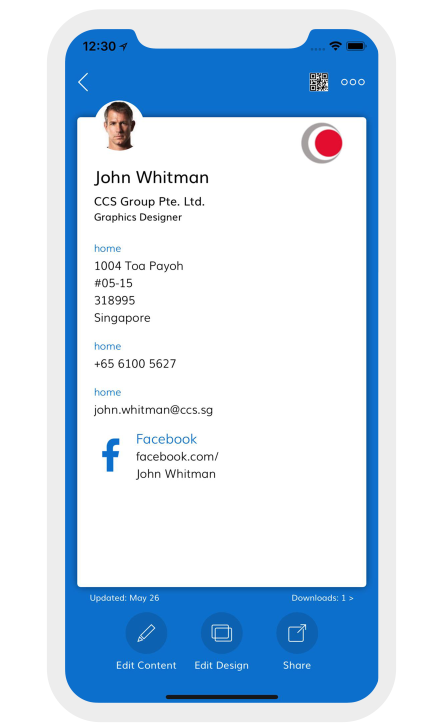
WeCards
Digital business cards you can create, store, receive, and share - always with your latest contact details.
Products
Owning live apps sharpens how we partner with you - store rules, retention, support, and the ugly details between demo and daily use.
Productivity
Digital business cards you can create, store, receive, and share - always with your latest contact details.
Food
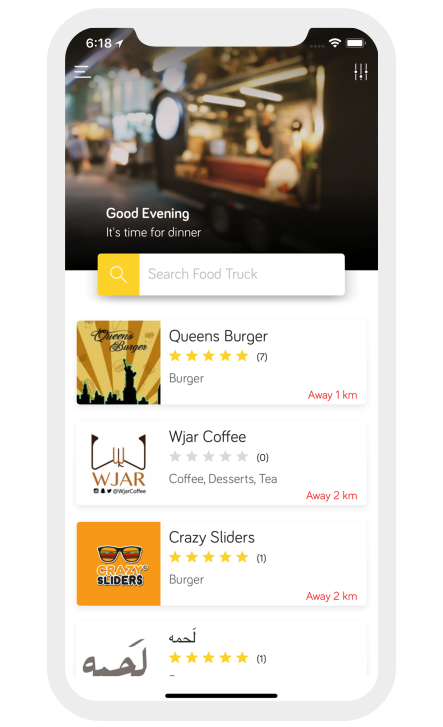
Order and book from favorite food trucks - built for hungry users on the move.
Community
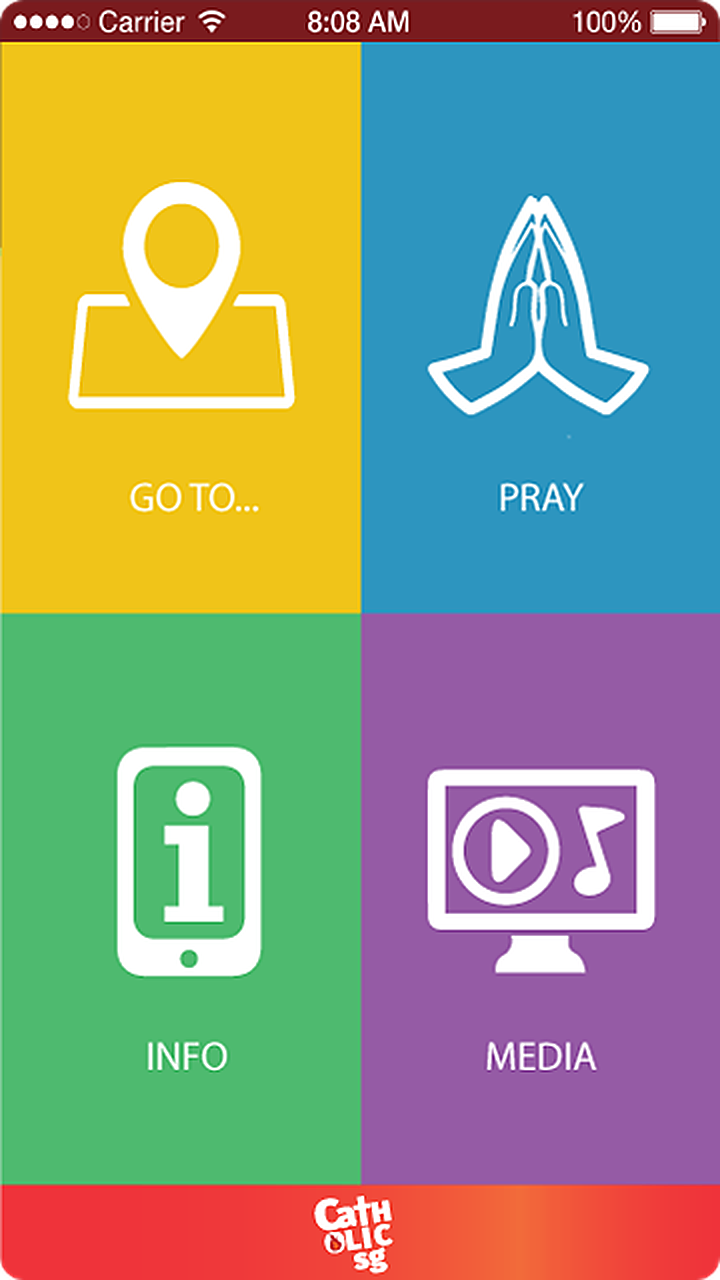
An all-in-one companion for Catholics in Singapore to live their faith more actively.

Games
A brand engagement game - flip, shuffle, and claim prizes people actually want to win.
Builders who operate products
Publishing, monitoring, support, feedback, and maintenance influence decisions long after development finishes.
Clear onboarding, reliable core journeys, and useful support matter when real users depend on the product.
Product effort has to earn priority against adoption, retention, operating cost, and opportunity.
Product operations
A sustainable product needs more than feature development once customers and platforms begin changing around it.
Monitor core journeys, investigate failures, communicate clearly, and protect customer trust.
Respond to operating systems, browsers, stores, dependencies, security expectations, and integrations.
Use evidence to balance new value, product quality, technical health, and operating effort.
Lessons from ownership
Running our own products keeps delivery connected to the practical work clients face after launch.
01
Ship a coherent core journey instead of waiting for every possible feature.
02
Use support signals, analytics, reliability, and direct feedback to find friction.
03
Balance customer value, technical health, operating effort, and commercial goals.
04
Keep dependencies, platforms, privacy expectations, and user communication current.
Related paths
Common questions
Show answer
We review potential conflicts before an engagement and discuss concerns openly. Client confidentiality and ownership obligations remain separate from our products.
Show answer
Patterns in onboarding, reliability, feedback, release planning, and support often transfer, while domain-specific assumptions still require validation.
Show answer
Yes. Product support can combine technical maintenance, quality work, measured improvements, and planned feature delivery.
Show answer
Yes. Discovery and prototyping can test critical assumptions and define a smaller, more responsible first release.
Next step
Tell us what you are building, how far it has progressed, and what outcome needs to change.
Build a product with us →